




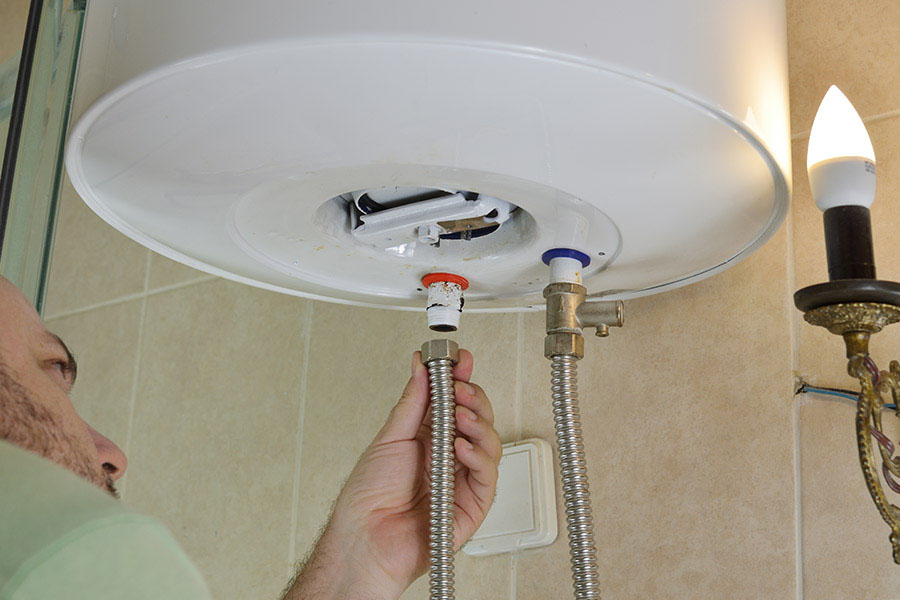
It can be frustrating if you’re dealing with a broken water heater in Fishers, IN. You might not know where to start. Simple checks like the power supply and temperature settings can make a difference. But what if those don’t solve the problem? There are several steps you can take to identify and fix common issues. Let’s explore these tips that could save you time and money in the long run.
Check the Power Supply
Before making repairs, check the power supply to your water heater. Start by inspecting the circuit breaker; it might have tripped, cutting off power. If it has, simply reset it.
Next, look for any blown fuses that could disrupt the electricity flow. If you’re using a gas water heater, verify the gas supply is turned on and the pilot light is lit.
Then, examine the power cord for any visible damage or fraying. If you notice anything unusual, it’s best to replace it to avoid further issues.
Additionally, check the thermostat and connections for loose wires, which can cause intermittent power loss. If everything seems in order and the heater still doesn’t work, it might be time to call a professional. Proper installation ensures the efficiency and longevity of your system to prevent future issues.
Taking these steps can save you time and hassle before moving on to more complicated repairs.
Inspect the Temperature Settings
While you might think your water heater is malfunctioning, it could simply be a matter of incorrect temperature settings. Start by checking the thermostat on your water heater. The ideal temperature is typically between 120°F and 140°F.
If it’s set lower, you may get lukewarm water, while higher settings can lead to scalding risks and energy waste.
If you find the temperature is off, adjust the thermostat accordingly. Remember, it’s important to give your unit some time to heat the water after making changes.
If you’ve adjusted the settings but still don’t see improvement, you might need to take other issues into account. Regularly inspecting your temperature settings not only helps guarantee you have a reliable supply of hot water but also improves your energy efficiency. If you encounter persistent issues, consider expert water heater repair services from professionals like Star Heating, Cooling & Plumbing for expert assistance.
Look for Leaks
Check the connections and pipes for any signs of moisture, and don’t forget to inspect the drain valve and the tank base. Catching leaks early can save you from bigger problems down the line. Additionally, if you notice any off taste in your water, it may indicate underlying issues that could be affecting your water quality.
Inspect Connections and Pipes
To guarantee your water heater operates efficiently, inspecting connections and pipes for leaks is crucial.
Start by checking the inlet and outlet connections; look for any dampness or water pooling around them. If you find any signs of moisture, tighten the fittings with a wrench, but don’t over-tighten, as this could cause damage.
Next, examine the pipes leading to and from the heater. Look for cracks, corrosion, or rust, which can indicate problems. If you spot any issues, consider replacing the affected sections of pipe.
Check Drain Valve
One essential step in maintaining your water heater is checking the drain valve for leaks.
Start by turning off the power and water supply to your heater. Then, locate the drain valve at the bottom of the tank. Inspect it closely for any signs of moisture or dripping water.
If you notice a leak, it could indicate a faulty valve that needs replacement. To test it, you can open the valve slightly to see if water flows freely without leaks.
If you find any issues, don’t hesitate to contact a professional. Addressing leaks promptly not only helps prevent water damage but also guarantees your water heater operates efficiently.
Regular checks can extend the life of your unit.
Examine Tank Base
After checking the drain valve, the next step is to examine the tank’s base for leaks.
Start by looking closely at the area around the tank, paying attention to any signs of moisture or water pooling. A leak can indicate a serious problem that needs immediate attention.
If you spot any wet spots, you’ll want to trace the source of the leak. Check the fittings and connections, as these are common culprits.
If you can’t identify the leak, consider using a towel or cloth to dry the area; this will help you see if water reappears.
If you find a leak you can’t fix, don’t hesitate to call a professional like Star Heating, Cooling & Plumbing for assistance.
Examine the Heating Elements
To fix your water heater, start by checking the power supply to guarantee it’s functioning properly.
Next, inspect the heating elements for any visible damage or wear. A quick assessment can save you time and help identify if they’re the source of the problem. Additionally, ensure you understand how water softeners remove harmful minerals that can affect the efficiency of your water heater.
Check Power Supply
Before diving into other potential issues, checking the power supply is essential when your water heater isn’t functioning properly.
Start by ensuring the unit is plugged in and that the circuit breaker hasn’t tripped. If you find the breaker has flipped, reset it and see if that resolves the problem.
Next, inspect the power cord for any visible damage or fraying that could disrupt the supply. If you’re using a gas water heater, ensure the valve is open.
Sometimes, the issue might stem from the thermostat settings, so double-check those as well.
Inspect Element Condition
While checking the power supply is essential, inspecting the heating elements is equally important in diagnosing your water heater issues.
Start by turning off the unit’s power for safety. Remove the access panels to expose the heating elements and visually inspect them for any signs of damage, such as cracks or corrosion.
Use a multimeter to test for continuity; if there’s no continuity, the element is likely faulty and needs replacement. Be certain to clean any mineral buildup, which can affect performance.
If you’re unsure about the condition, it’s best to consult a professional. Remember, addressing heating element problems promptly can save you from further complications and guarantee your water heater operates efficiently.
Flush the Tank
Flushing your water heater’s tank is an essential maintenance step that can enhance its efficiency and longevity. Over time, sediment and mineral deposits build up in the tank, which can lead to issues like reduced heating efficiency and potential damage.
To flush the tank, start by turning off the power or gas supply to the heater. Then, connect a garden hose to the drain valve at the bottom of the tank and place the other end in a suitable drainage area. Open the valve carefully, allowing the water and sediment to flow out.
Make sure to open a hot water faucet in your home to prevent a vacuum from forming. Once the water runs clear, close the drain valve, remove the hose, and refill the tank with fresh water. Remember to restore the power or gas supply afterward.
Regular flushing can save you from costly repairs down the line.
Test the Pressure Relief Valve
Testing the pressure relief valve is an essential step in maintaining your water heater. This valve is vital for safety, as it prevents excessive pressure buildup in the tank.
Start by locating the valve, usually found on the top or side of the heater. Next, place a bucket underneath to catch any water. Gently lift the lever on the valve to release a small amount of water. If water flows freely and the valve snaps back into place, it’s working properly.
However, if nothing happens or water continues to leak, the valve may need replacement. Remember to always wear gloves and take necessary precautions when handling hot water.
Testing this valve regularly can help prevent potential explosions and extend your water heater’s lifespan. If you notice any issues, consider your options for repair or replacement. Keeping this component in check guarantees your home remains safe and your water heater functions efficiently.
Call a Professional if Needed
When you encounter persistent issues with your water heater, it’s crucial to recognize when to call in a professional. If you’ve tried basic troubleshooting and still face problems, don’t hesitate to reach out for help.
Attempting complex repairs without the right knowledge can lead to further damage or even injury. A professional technician, like those at Star Heating, Cooling & Plumbing, has the expertise to diagnose and fix issues efficiently.
They can identify underlying problems that may not be immediately apparent to you. Plus, their experience guarantees that repairs are done safely and correctly, giving you peace of mind.
Moreover, professionals can offer valuable advice on maintenance to prevent future issues. If you notice leaks, strange noises, or inconsistent water temperatures, it’s time to pick up the phone.
Trusting a professional can save you time, money, and hassle in the long run.

Conclusion
By following these tips, you can tackle common water heater issues in Fishers, IN, and potentially save on repair costs. Did you know that nearly 75% of water heaters fail due to a lack of maintenance? Regularly checking your unit can help you avoid unexpected breakdowns. If problems persist despite your efforts, don’t hesitate to call a professional. Keeping your water heater in good shape guarantees you have reliable hot water when you need it most.